Phase 1
Foundation
Completed Infrastructure- Home AI server configured
- Wildlife dataset prepared
- First custom bush turkey model trained
- Outdoor camera installed
- Garden Guard website deployed
- Power Apps MVP published

Log #02· Published October 2026
Garden Guard has progressed from training its first wildlife detection model to testing a complete monitoring workflow. The project now combines local AI processing, outdoor camera footage, cloud infrastructure and a Power Apps review dashboard.
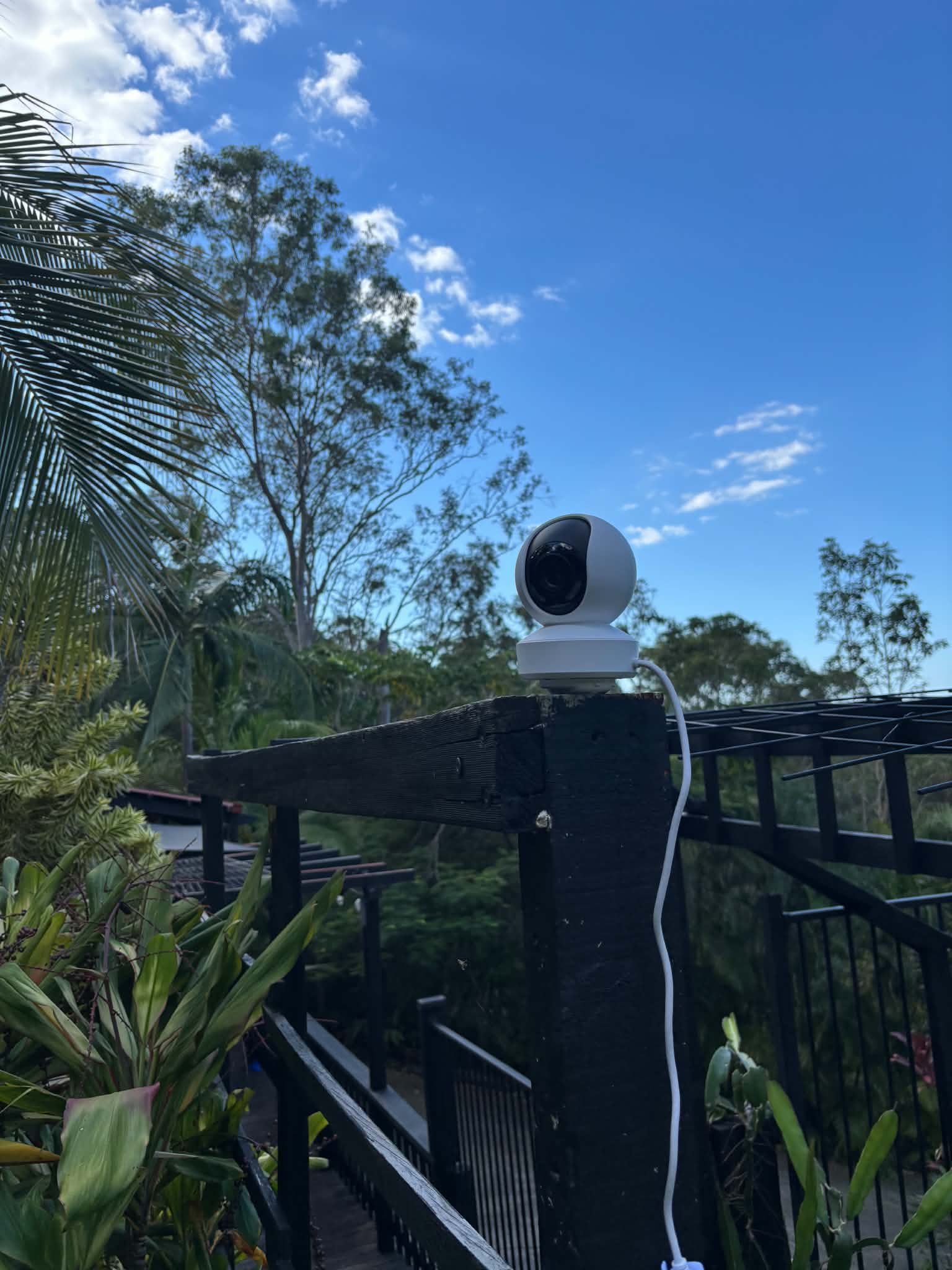
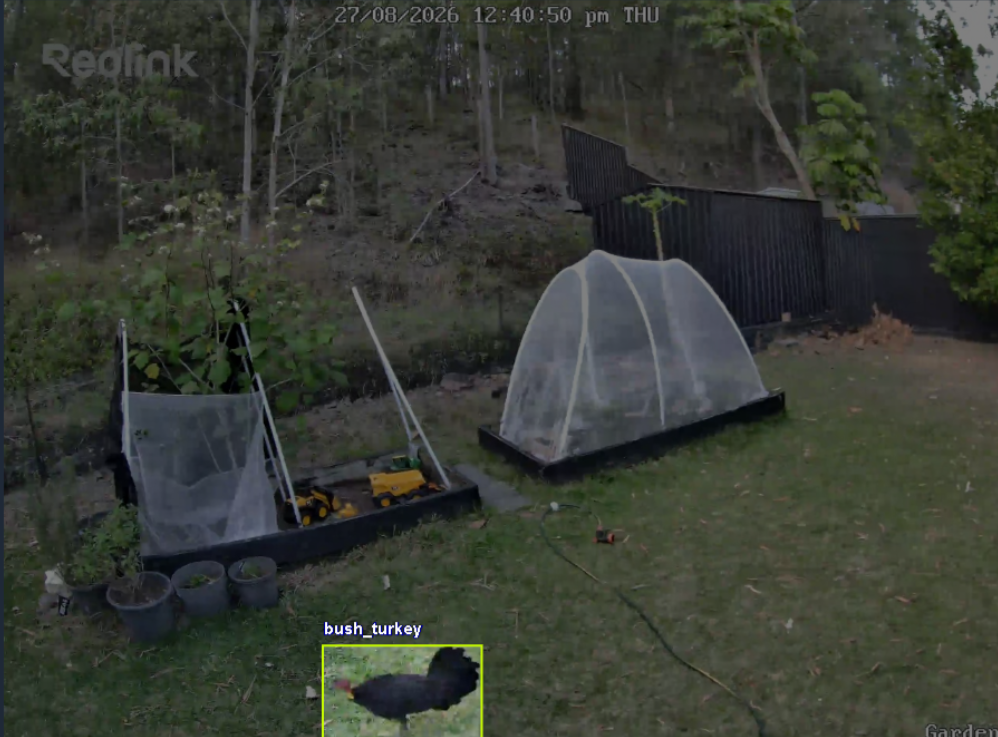
I set up a Reolink camera feeding live video to my home AI server, where YOLO analyses the stream using an NVIDIA RTX 3060 GPU. The system now runs continuously through Docker, automatically restarts after a reboot, and deploys updates from GitHub through a self-hosted GitHub Actions runner.
services:
  yolo-detector:
    image: gardenguard/yolo-detector:latest
    runtime: nvidia
    gpus: all
    resources:
      reservations:
        devices:
          - driver: nvidia
            count: all
            capabilities: [gpu]
    restart: always
    environment:
      RTSP_STREAM: configured in environment
MODEL_PATH: /app/models/best.ptWhen the camera detects an animal visit, Garden Guard saves the best frame locally on the Linux server. Images are automatically organised by date and detected species, making them easier to review and reuse for training.
I also started building a custom bush turkey detector. I collected and annotated 55 bush turkey images in Roboflow, exported the dataset, and trained my first YOLO model locally on the RTX 3060 using PyTorch. The first training run completed successfully and produced a custom best.pt model. Its initial validation results were promising, but the dataset is still small, so this is an early prototype rather than a reliable final model.
04. Deployment
The Garden Guard website is now deployed as a live cloud-hosted platform. Its deployment workflow uses containerisation, automated releases and secure web infrastructure to make future updates faster and more reliable.
05. Companion application
A Microsoft Power Apps MVP has been created and published to test how users could review and classify Garden Guard detections before the custom web dashboard is developed.
01 / Dashboard
02 / Detection review
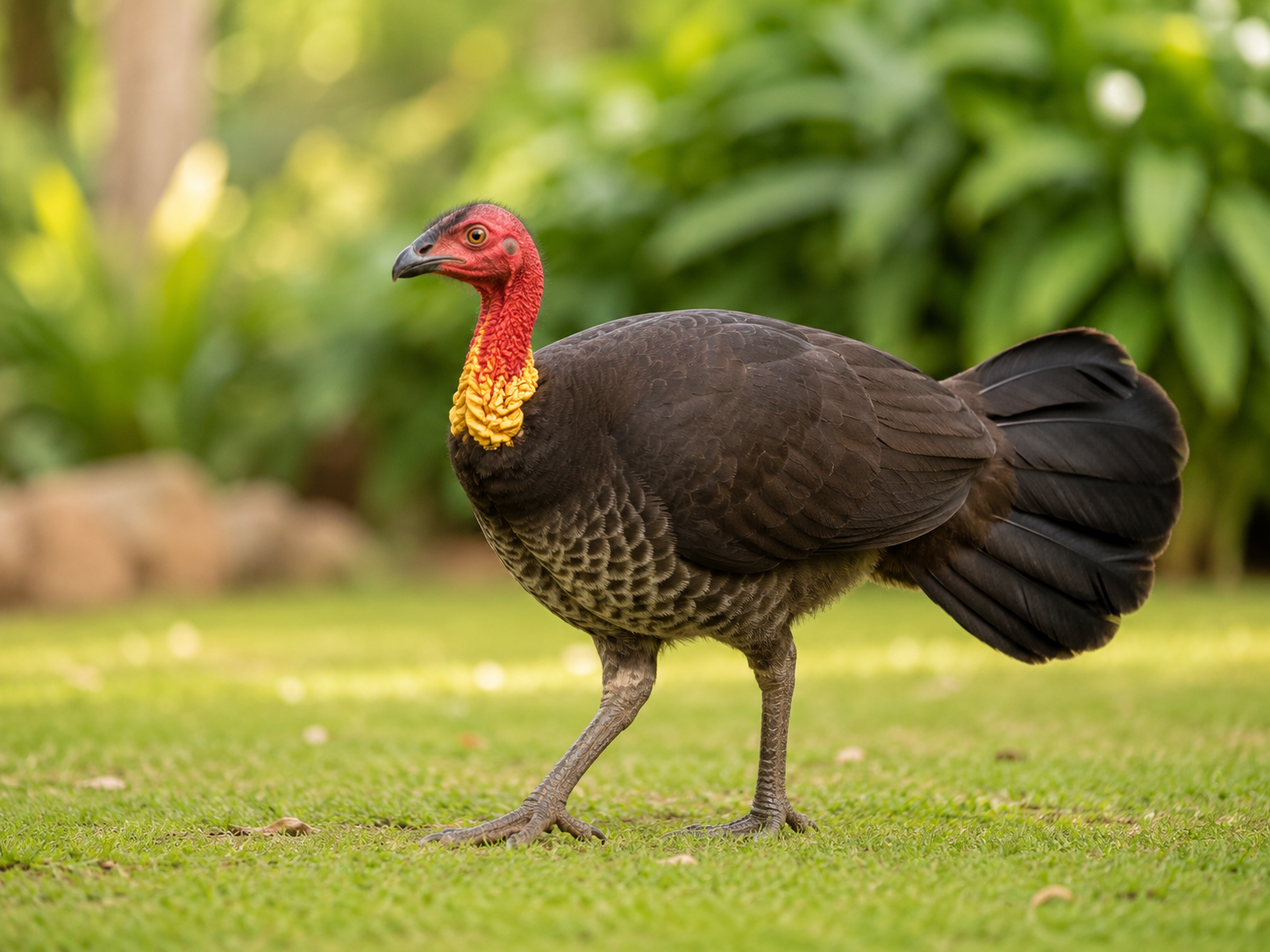 Predicted: Australian Bush TurkeyConfidence Score: 94.2% · Camera 1
03 / Save review
06. Data pipeline
SharePoint has been selected as the initial metadata and workflow layer for the MVP. It will connect the Linux-based AI system with Power Apps and provide structured records for reviewing wildlife detections.
07. Project horizons
Our technical roadmap maps out the research horizons of the Garden Guard platform. Rather than rapid scaling, our milestones prioritize deeper backyard insights, open-source documentation, and sensible local automation.
Phase 1
Phase 2
Phase 3
“Garden Guard is no longer only a model-training experiment.
It is becoming a complete system for observing, understanding
and responsibly responding to backyard wildlife.”